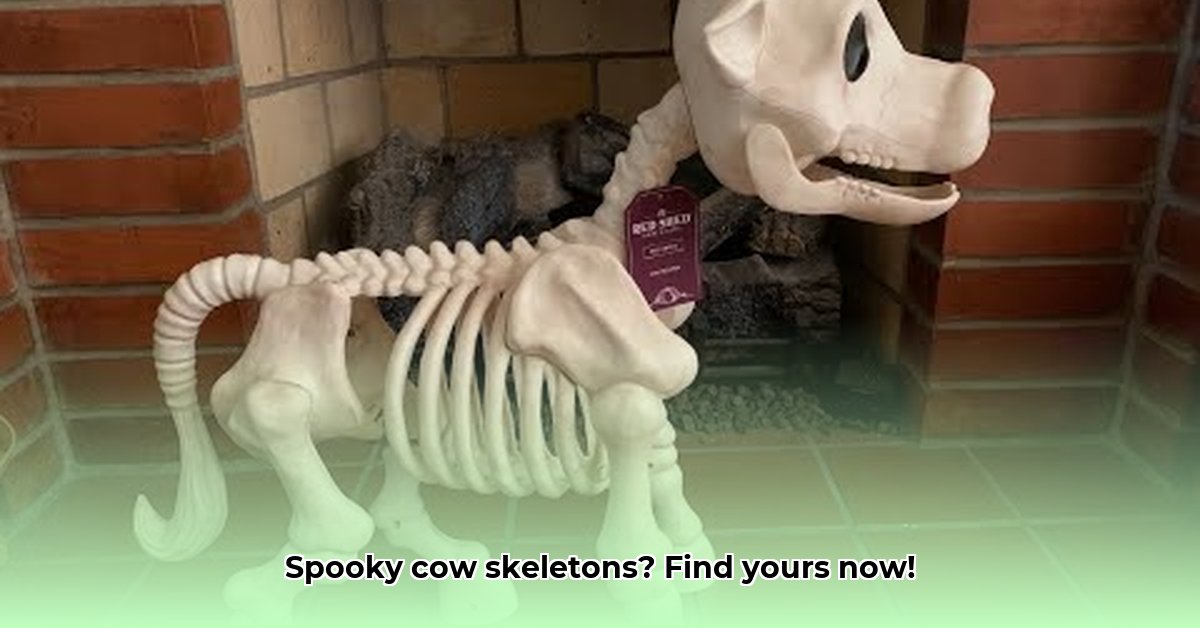
Cow Skeleton Halloween Decorations: A Spooky Sustainability Investigation
This Halloween, the charmingly creepy cow skeleton decoration is a popular choice, readily available at retailers like Tractor Supply. But beyond the festive appeal lies a significant question: what is the environmental cost of these seemingly innocuous decorations? This investigation explores the sustainability of these popular items, examining the lack of transparency from retailers and outlining actionable steps for consumers to make more informed, eco-conscious choices. For more on sustainable toy options, check out this resource.
The Allure of Rustic Halloween Decor
The rising popularity of rustic-themed Halloween decorations, including cow skeletons, reflects a broader cultural shift towards farm-fresh aesthetics. This trend, while aesthetically pleasing, raises crucial questions about the materials used, manufacturing processes, and ultimate disposal of these items. Are these decorations contributing to a more sustainable Halloween, or are they adding to environmental burdens?
Tractor Supply's Halloween Offerings: A Closer Look
Tractor Supply, a major retailer of farm and ranch supplies, prominently features a range of Halloween decorations, including various animal skeletons. While the retailer highlights the realism and durability of these products, crucial information regarding their environmental impact remains conspicuously absent. The lack of detailed information about manufacturing processes and materials used raises concerns about their sustainability. This lack of transparency prevents consumers from making fully informed choices.
Unmasking the Mystery: The Need for Transparency
The primary challenge lies in the paucity of information provided by Tractor Supply and similar retailers regarding the composition and life cycle of their Halloween decorations. The absence of detail on materials used, manufacturing processes, and disposal recommendations hinders any assessment of their environmental footprint. Are these decorations made from recycled materials? Are they biodegradable? The lack of clear answers underscores a critical gap in transparency across the industry.
Do these decorations, often destined for single-use disposal, contribute significantly to landfill waste? It's a question that needs answering. The absence of such information creates an unsustainable status quo.
Environmental Impact and Opportunities for Positive Change
The lack of transparency regarding the environmental impact of these decorations is a significant concern. If largely composed of non-biodegradable plastics, these items contribute to plastic pollution and landfill waste. However, this situation also presents a compelling opportunity for positive change. Retailers could demonstrate industry leadership by proactively disclosing material sourcing, manufacturing processes, and end-of-life management strategies for their products. Such transparency would empower consumers to make truly informed purchasing decisions aligned with their environmental values.
Consumer Power: Driving Change Through Inquiry
Consumers possess considerable power to influence corporate sustainability practices. By actively seeking information from retailers like Tractor Supply regarding the environmental impact of their Halloween decorations, consumers can collectively encourage greater transparency and responsible sourcing. Inquiring about the materials used, manufacturing processes, and disposal recommendations can stimulate change. Supporting companies committed to sustainability sends a powerful message to the market, encouraging broader adoption of eco-friendly practices.
A Call to Action: Towards a Sustainable Halloween
Creating a truly sustainable Halloween isn’t just about eco-friendly candy wrappers; it extends to all aspects of our celebrations, including decorations. By demanding transparency from manufacturers and retailers, and choosing products made from sustainable materials, we can collectively lessen the environmental burden of our festivities. A simple question can foster significant change.
Research Needs: Unanswered Questions and Future Investigations
To fully understand the environmental impact of these cow skeleton decorations, further investigation is needed. Critical knowledge gaps include:
Materials Composition: Precise details on the materials used in these decorations are essential to assess their biodegradability and potential harm to the environment.
Carbon Footprint: A life cycle assessment is necessary to quantify the greenhouse gas emissions associated with the production, transportation and disposal of these items.
Disposal and Recycling: Clear guidance on appropriate disposal and recycling options is vital to minimize environmental damage.
Only with comprehensive data can we fully evaluate and mitigate the environmental impact of these festive decorations.
Diverse Perspectives and Ongoing Research
While some may view the environmental impact of Halloween decorations as relatively insignificant compared to broader environmental challenges, others argue that it is symptomatic of a broader pattern of unsustainable consumption. Further research into the life cycle assessment of these products, coupled with an analysis of consumer response to eco-friendly options, is crucial to form a comprehensive understanding of their environmental implications. The complexity of supply chains makes definitive conclusions challenging, but ongoing investigations hold the promise of a clearer picture.
How to Find Biodegradable Halloween Decorations
Key Takeaways:
- High consumer demand exists for realistic and durable Halloween decorations.
- The market lacks transparency concerning biodegradable options for this category.
- Tractor Supply and similar retailers represent crucial targets for investigating sustainable choices.
- Growing consumer interest in eco-friendly Halloween options is driving the search for alternatives.
- Identifying truly biodegradable options requires diligent research and critical evaluation of product claims.
The search for sustainable Halloween decorations, especially those that mirror the realism and durability of plastic skeletons, requires careful investigation.
The Quest for Eco-Friendly Spookiness
Many retailers offer plastic animal skeletons, but their environmental impact is undeniable. The disposal of these non-biodegradable items contributes to landfill waste and environmental pollution. Finding truly biodegradable alternatives is key to a more environmentally responsible Halloween. Unfortunately, clear and reliable labeling of eco-friendly materials is often missing.
Investigating Retailer Claims: Beyond Marketing
Retailers like Tractor Supply should be contacted directly to inquire about the materials used in their Halloween decorations. Carefully examine product descriptions on their website and seek details about the manufacturing process and disposal recommendations. However, rely only on evidence based claims. The absence of such information is a critical signal of a lack of engagement with sustainability.
Expanding Your Search for Sustainable Alternatives
If your research reveals limited biodegradable options from major retailers, expand your search to independent Halloween stores, craft markets, and online marketplaces. Be vigilant in your exploration, verifying claims of biodegradability with certifications and credible evidence.
Making Informed Choices for a Sustainable Halloween
Choosing biodegradable Halloween decorations is a conscious decision that minimizes environmental impact. This requires active participation in researching and verifying product claims, ensuring a balance between festive fun and responsible environmental stewardship. Let’s make this Halloween both spooky and sustainable.